Discussion on the Mechanical Strength of Electrode Paste for Submerged Arc Furnaces
Electrode paste forms a self-baking electrode within a submerged arc furnace; its mechanical strength is a critical indicator for ensuring the safe operation of the electrode. Although the national standard for electrode paste does not explicitly specify a mechanical strength quality metric, such strength can be assessed through conventional parameters, including compressive, flexural, and tensile strength. Furthermore, high-temperature (hot-state) strength and thermal shock resistance must also be considered. During operation, electrodes are subjected not only to their own weight, the clamping pressure of the contact shoes, and lateral pressure from the furnace burden, but also to electrical surges, thermal stress, and disturbances from furnace chargers. Insufficient strength can easily lead to "soft" or "hard" breaks,causing unplanned furnace shutdowns, which is a particularly critical concern in the ferroalloys smelting such as ferrosilicon, silicomanganese, and ferrochromium.
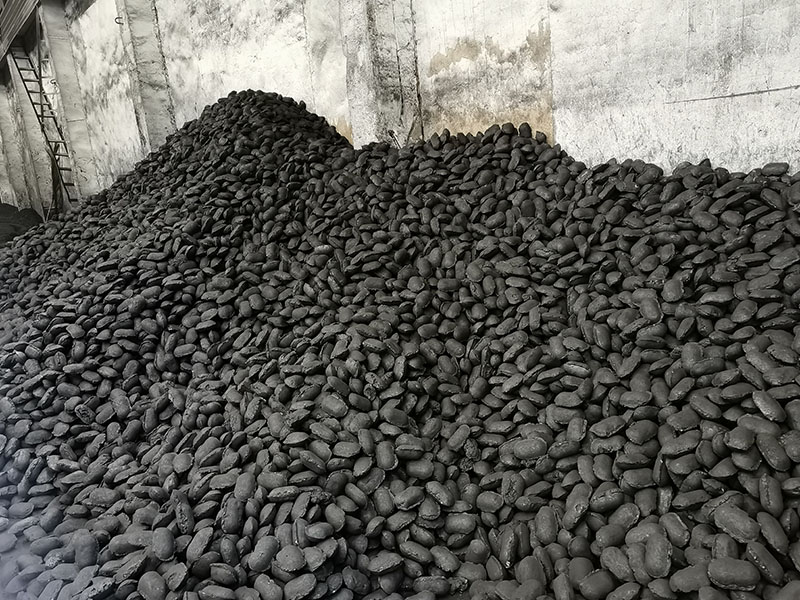
The mechanical strength of carbon products is anisotropic, meaning that the composition of the raw material particles varies between the horizontal and vertical directions. The mechanical strength of electrode paste is influenced by factors inherent to its production process, including the composition of raw materials, particle size distribution, the fineness and proportion of powder components, and the content of coal pitch.
Beyond the quality of raw materials, the in-furnace baking conditions represent a critical variable during the operational phase. Even if the electrode paste meets all specifications, improper baking inside the furnace can lead to a significant reduction in the strength of the formed electrode. If the electrode is slipped too rapidly, the paste does not have sufficient time to bake thoroughly, this results in low hot strength, making the electrode highly susceptible to soft break. Conversely, if the electrode is lowered too slowly, it may become over-baked, leading to excessive thermal contraction stress and a decline in high-temperature strength, which can cause hard break.Furthermore, uneven temperature distribution within the furnace can result in inconsistent strength throughout the electrode.
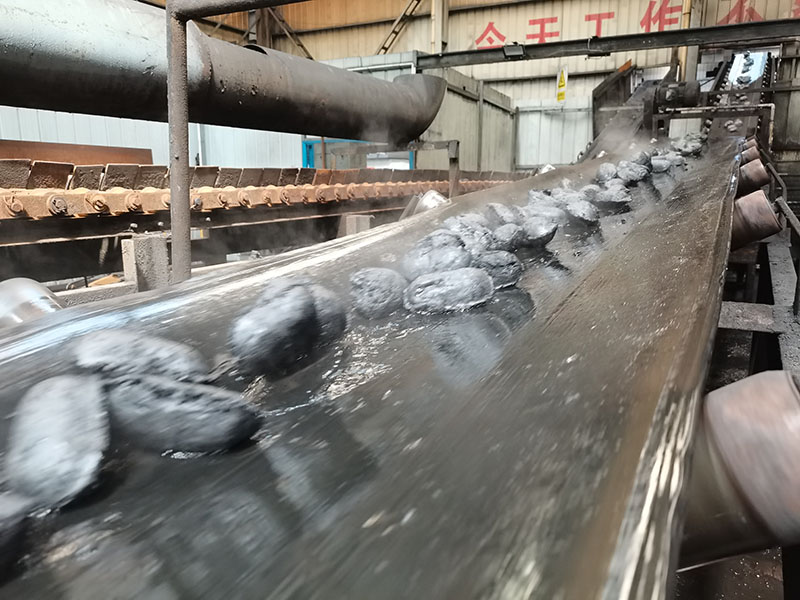
Furthermore, fluctuations in the current and the burden surface level within a submerged-arc furnace cause the electrode temperature to rise and fall repeatedly. Even if an electrode meets the requirements for static strength, poor thermal shock resistance can lead to its breakage under frequent thermal shocks.


 Phone:+86 19937179450
 Whatsapp:+86 19937179450
 Email:
 Add:Zhengdong New District,Zhengzhou City,China.