Electrode Paste Quality Control: Key Parameters of Volatile Matter and Ash Content
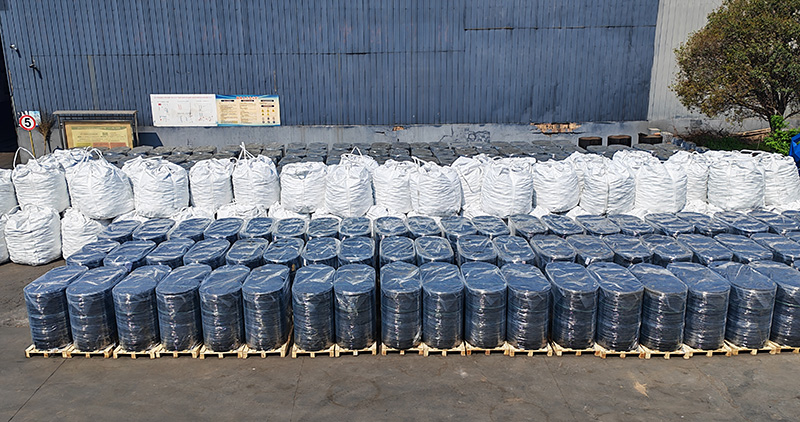
The control parameters for electrode paste include fixed carbon, volatile matter, ash content, and moisture. Generally, analyzing just the three items—volatile matter, ash content, and moisture—is sufficient to calculate all four values. Volatile matter must be maintained within a specific range; otherwise, the following problems may occur.
1. Difficult sintering results in low strength and susceptibility to soft breakage.
2. High shrinkage leads to poor strength and potential hard breakage.
3. Rapid oxidation causes accelerated electrode paste consumption.
4. Easy layering during sintering forms irregular shapes, making electrode lowering difficult and increasing the risk of breakage.
5. Large load reduction when lowering electrodes and slow load increase affect production output.
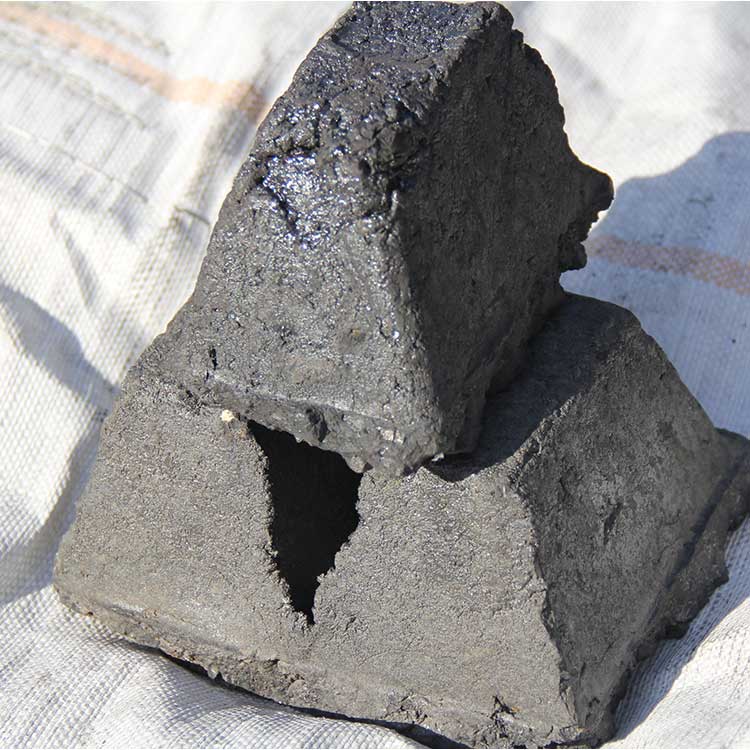
1. Premature sintering results in low strength and increased risk of hard breakage.
2. Insufficient bonding leads to poor strength and also increases the likelihood of hard breakage.
3. High contact resistance between the electrode and conductive jaw plate affects power consumption and reduces jaw plate lifespan.
Comparing these two scenarios, excessively high volatile matter content leads to more severe consequences than excessively low levels.
Therefore, the volatile matter content in electrode paste must be strictly controlled within an appropriate range. Specific target values are detailed in Section Four.
Ash content in electrode paste should be as low as possible. However, due to raw material limitations, it generally should not exceed 5%. Excessive ash content reduces strength, increases electrical resistance, raises power consumption, and consequently increases electrode consumption. Thus, ash content is another critical quality indicator for electrode paste.
These specifications serve as factory standards for product release. However, judging the quality of electrode paste solely based on ash and volatile matter content is insufficient. To properly evaluate whether electrode paste meets quality requirements, laboratory sintering tests must be conducted, assessing mechanical strength, resistivity, porosity, and other properties against established quality criteria. Nevertheless, this testing method is time-consuming and slow—from sampling to obtaining results. Therefore, manufacturers use it primarily as a reference, though it remains an important indicator.


 Phone:+86 19937179450
 Whatsapp:+86 19937179450
 Email:
 Add:Zhengdong New District,Zhengzhou City,China.